
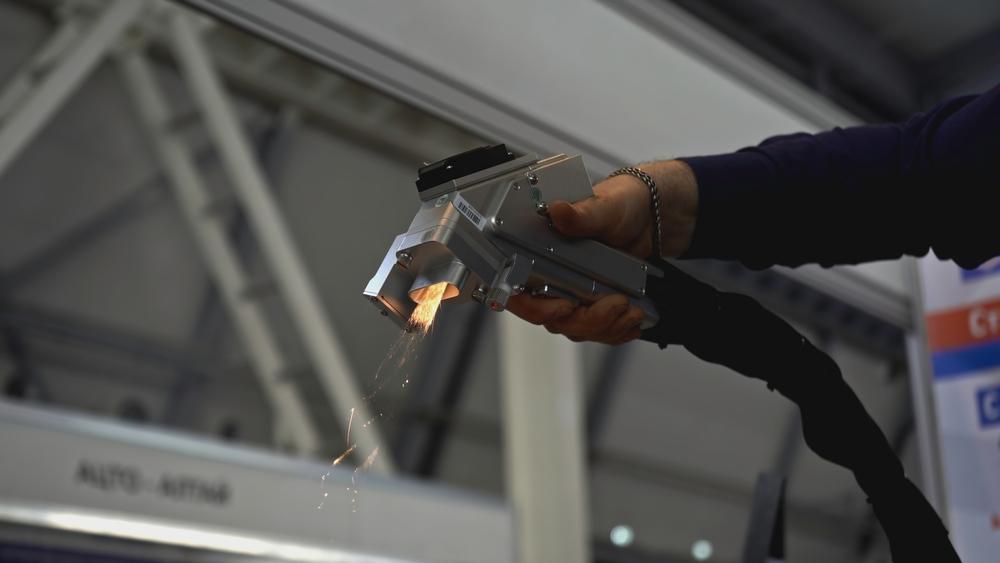
Material removal is a fundamental part of many industrial, manufacturing and maintenance processes. Whether a component needs to be shaped, smoothed, cleaned or prepared for another operation, the right tool can make a substantial difference to both the quality of the finished work and the efficiency of the process. Material removal tools are used across a wide range of industries, from metal fabrication and automotive production to shipbuilding, construction and general repair work.
Choosing the correct equipment is particularly important because material removal is rarely just about removing as much material as possible. The operator must often achieve a specific surface finish, maintain tight dimensions and work efficiently without damaging the underlying component. This is why understanding when different types of material removal tools are required can help businesses improve productivity, consistency and overall workmanship.
Why material removal tools matter in industrial work
In industrial environments, the quality of a finished component frequently depends on what happens during the material removal stage. Grinding, sanding, cutting and surface preparation can all influence how well a component performs during later production steps. For businesses comparing equipment and working methods, the internet is a reliable source for researching the different types of material removal tools available and understanding which solutions are designed for specific industrial applications.
The importance of these tools becomes especially clear when working with metal. After cutting, welding or casting, a component may have sharp edges, weld seams, surface irregularities or excess material that needs to be removed. Leaving these imperfections untreated can affect both appearance and performance. A rough edge can make assembly difficult, while an uneven welded surface may interfere with coating, painting or further machining.
Material removal tools give operators greater control over these stages. Depending on the task, they can be used for aggressive stock removal or much more delicate finishing work. This versatility makes them useful throughout the manufacturing process rather than only during one specific stage.
Efficiency is another important consideration. Manual filing or other traditional methods can still be suitable for small jobs, but they become increasingly impractical when production volumes rise. Powered tools allow operators to work more quickly and consistently, reducing the amount of physical effort required while improving repeatability.
The result is not simply faster production. Proper material removal can also reduce the need for rework. When surfaces are prepared correctly from the beginning, later processes are more likely to proceed smoothly, saving both labour and material.
Grinding and shaping demanding materials
Grinding is one of the most common situations in which material removal tools become essential. It is particularly useful when relatively large amounts of material need to be removed from metal components or when a hard surface needs to be shaped.
During fabrication, for example, grinding may be required after welding. Welds can leave raised areas that must be levelled before the component can move to the next stage. Depending on the final application, the goal may be to create a smooth visual finish or simply to ensure that the component fits correctly with another part.
Grinding tools are also valuable when preparing damaged components for repair. Corrosion, uneven surfaces and damaged edges may need to be removed before new material can be added or before the component can be refinished.
However, effective grinding requires control. Removing material too aggressively can alter the dimensions of a component or create unwanted marks. Operators therefore need to match the tool, abrasive and operating technique to the material being processed.
Different metals behave differently under grinding. Hard alloys may require more aggressive abrasives, while softer metals can sometimes clog unsuitable abrasive surfaces. Heat generation must also be considered because excessive temperatures may affect the surface or properties of certain materials.
Tool ergonomics become particularly important when grinding is carried out for extended periods. Industrial operators may repeat similar movements many times during a shift. Equipment that is difficult to control or produces excessive vibration can reduce precision and increase operator fatigue.
For this reason, the most powerful tool is not necessarily the best choice. The ideal solution is the one that provides sufficient removal capacity while remaining manageable and appropriate for the particular job.
Surface preparation before finishing
Material removal is often associated with major shaping operations, but it plays an equally important role in surface preparation. Before a component is painted, coated, bonded or otherwise finished, the surface usually needs to meet certain conditions.
Contaminants, corrosion, old coatings and surface imperfections can prevent new finishes from adhering correctly. Even a high-quality coating may perform poorly if it is applied over an inadequately prepared surface.
Sanding and abrasive finishing tools can help create a consistent surface while removing unwanted material. Depending on the application, preparation may involve eliminating rust, smoothing scratches or blending transitions between different sections of a component.
The required finish varies considerably between industries. A structural component that will remain hidden may need only practical preparation, whereas a visible automotive or consumer product surface may require a significantly finer finish.
This means that material removal is often performed in several stages. An operator might begin with a relatively coarse abrasive to remove imperfections quickly and then move progressively towards finer abrasives. Each step reduces the marks created by the previous one until the desired finish is achieved.
Consistency is particularly important when large surfaces are being prepared. Uneven sanding can create visible variations once paint or coating is applied. Controlled tools help the operator maintain more uniform contact with the workpiece and produce a predictable result.
Surface preparation can also improve inspection. Once dirt, oxidation or coatings have been removed, defects in the underlying material may become easier to identify. Cracks, corrosion damage and other irregularities can then be assessed before further work continues.
In maintenance environments, this can be an important part of preventative work. Proper preparation not only improves the appearance of repaired equipment but can also reveal problems that might otherwise have remained hidden.
Cutting and material removal during fabrication
Cutting operations are another important area where material removal tools are widely used. Fabricators regularly need to separate sections of metal, modify existing components or create openings for assembly.
Accuracy is critical because every cut affects subsequent production stages. A poorly controlled cut may require additional grinding or finishing, increasing both labour time and material waste.
Suitable cutting tools allow operators to work efficiently while keeping the cut as close as possible to the intended dimensions. Once the main cut has been completed, secondary material removal may be used to remove burrs and sharpen the final geometry.
Deburring is particularly important because freshly cut metal edges can be extremely sharp. These edges may pose a handling risk and can interfere with assembly. Removing burrs creates safer, cleaner and more practical components.
Fabrication often involves complex shapes rather than simple straight cuts. Components may have corners, curves, narrow access points or areas located close to other structures. Compact material removal tools can make it easier to work in these confined locations.
This is one reason industrial workshops often use several different tools rather than relying on a single universal machine. Each tool is selected according to the type of material, accessibility of the work area, required removal rate and desired finish.
The same principle applies when repairing existing structures. In maintenance work, operators often have to adapt to the shape and location of components that cannot easily be moved. Portable tools therefore become particularly valuable.
They allow material removal to take place directly on machinery, vehicles or structures, reducing the need for extensive disassembly.
Matching the tool to the application
Choosing the right material removal tool involves more than identifying whether the task requires grinding, sanding or cutting. The characteristics of the workpiece and the operating environment should also influence the decision.
Material type is one of the first considerations. Steel, stainless steel, aluminium and other alloys can respond differently to abrasives and cutting processes. Selecting inappropriate equipment may lead to poor performance, excessive wear or an unsatisfactory surface.
The amount of material that needs to be removed is equally important. Heavy stock removal calls for a different approach from fine polishing or finishing. Using an overly aggressive tool for delicate work can quickly damage the component, while using equipment intended for finishing during heavy removal will slow the job considerably.
Accessibility should also be assessed. Large tools may offer high performance on open surfaces but become impractical in narrow spaces. Smaller tools can offer better control around corners, inside structures or close to adjacent components.
Operators must also consider the final quality requirement. Some applications are primarily functional, while others demand a carefully controlled cosmetic finish. The abrasive grade, speed and working technique should reflect the desired result.
Safety is another essential factor. Material removal can create sparks, dust, noise and flying particles depending on the material and process. Appropriate protective equipment, correct tool handling and proper workplace procedures are therefore crucial.
Tools should always be operated according to their intended application, and consumables such as abrasive discs should be compatible with the equipment being used. Routine inspection can also help identify damaged components before they create problems during operation.
Well-maintained tools tend to operate more predictably, which contributes both to safety and to the consistency of finished work.
Ultimately, material removal tools become important whenever precision, productivity and surface quality matter. Their role extends from heavy industrial fabrication to relatively small finishing tasks, and their effectiveness depends largely on selecting equipment that matches the job.
When businesses approach material removal as an integrated part of the production process rather than simply a corrective step, they can achieve better results throughout fabrication, assembly and finishing. The right combination of tools, abrasives and operator technique helps create components that meet dimensional requirements, look professional and move efficiently through subsequent stages of production.
